




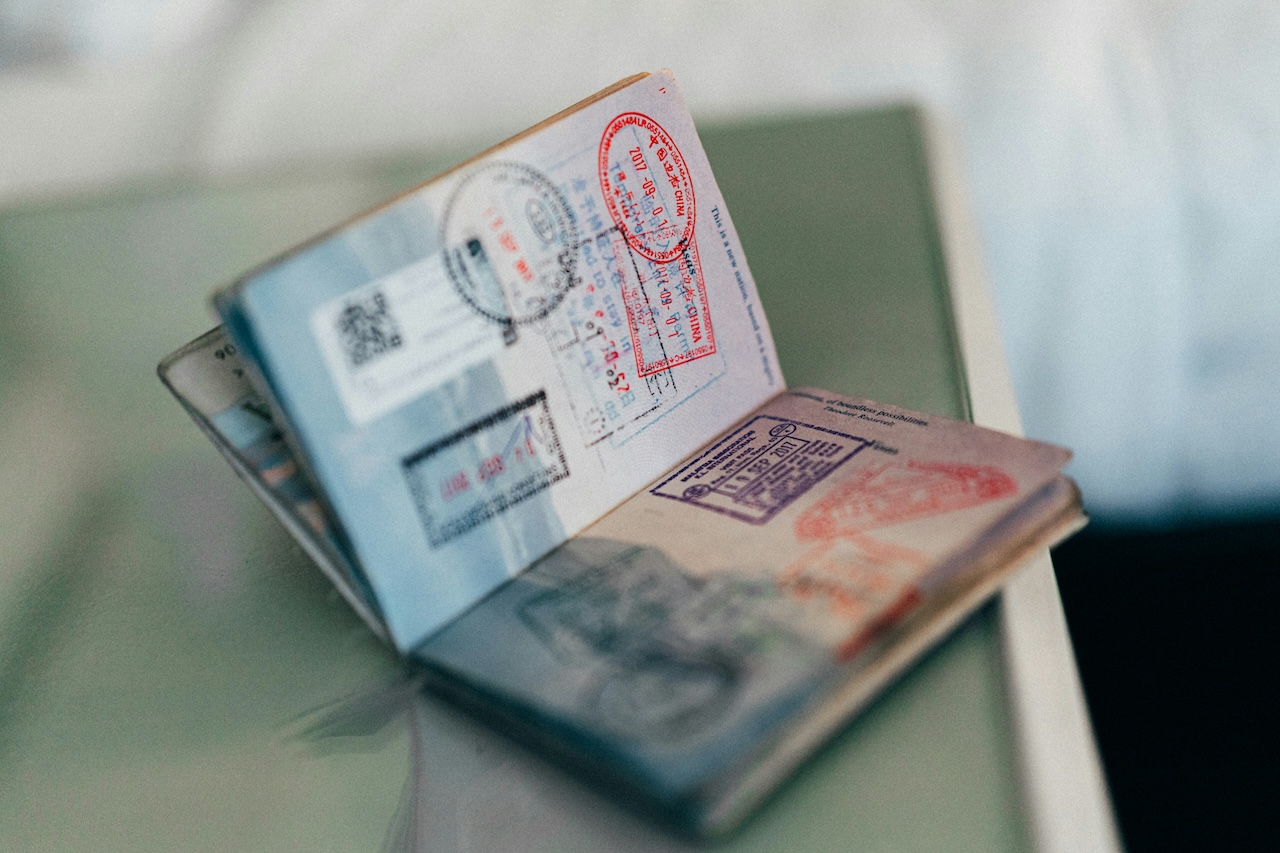



For most international students, the UK Student visa is one of the most important administrative steps between receiving an offer and beginning a degree. It is also one that generates considerable anxiety — partly because the consequences of errors are significant, and partly because the official guidance, while comprehensive, can be dense for those encountering the UK immigration system for the first time.
The Student visa process is, in practice, well-structured and predictable. Thousands of students successfully complete it each year, and the universities that admit international students provide dedicated support for navigating it. Understanding the requirements clearly in advance — well before your course start date — removes most of the uncertainty. This guide covers who needs a Student visa, what documentation is required, the financial requirements, and what to expect during and after the application process.
Note: visa rules and fees are subject to change. Always verify current requirements on the official GOV.UK student visa pages and with your university's international student office before applying.
1. Who Needs a UK Student Visa and Which Route Applies to You
The UK Student visa (formerly the Tier 4 General Student visa) is required by most non-UK and non-Irish nationals who wish to study at a UK university for a course lasting longer than six months. Citizens of the Republic of Ireland have a separate status under the Common Travel Area arrangement and do not require a visa to study in the UK.
If you are a national of a country in the EU, EEA, or Switzerland, you are now subject to the same immigration rules as all other non-UK nationals following the UK's departure from the European Union. EU students wishing to study in the UK require a Student visa in the same way as students from other countries.
There are a small number of exceptions. If your course is shorter than six months, you may be eligible to study on a Standard Visitor visa rather than a full Student visa — but this route has significant restrictions and is not appropriate for most degree programmes. If you are already legally resident in the UK on another visa category, your ability to study may depend on the conditions of your current leave to remain. In any case of uncertainty, check directly with your university's international student office and refer to UKCISA for independent guidance.
To be eligible for a Student visa, your university must be a licensed Student visa sponsor registered with the Home Office. All established UK universities hold this status, but it is worth confirming for any private institution or college you are considering.
2. The Documents You Will Need to Prepare
The documentation required for a UK Student visa application falls into several categories, and gathering these in advance will significantly reduce the stress of the application process.
The core documents you will need are: your Confirmation of Acceptance for Studies (CAS) number — a unique 14-character reference issued by your university when your place is confirmed; a valid passport with sufficient remaining validity; proof of English language ability (typically an IELTS, TOEFL, or PTE Academic certificate at the level required by your programme); and evidence of your financial means (discussed in the next section).
Depending on your circumstances, you may also need to provide academic certificates and transcripts; a tuberculosis (TB) test certificate if you are applying from a country where this is required (the list of countries is published on GOV.UK); a parental or guardian consent letter if you are under 18; and details of your accommodation in the UK.
All documents not in English must be accompanied by a certified translation. Ensure translations are produced by a qualified translator and that the translation includes the translator's contact details, signature, and confirmation that it is an accurate rendering of the original.
Keep a scanned copy of every document you submit. If anything is queried or lost during the application process, having your own records makes resolving the issue considerably faster.

3. Financial Requirements: Showing You Can Support Yourself
The Student visa application requires you to demonstrate that you have sufficient funds to cover your tuition fees and your living costs for the first year (or the full course duration if it is shorter than one year). The financial thresholds are set by the Home Office and are updated periodically — always check the current figures on GOV.UK before preparing your application, as relying on outdated figures is a common and avoidable error.
As a general guide, you must demonstrate that you hold funds covering your first year's tuition fee (as stated on your CAS) plus a fixed amount for living costs. For students studying in London, the living cost figure is higher than for those studying elsewhere in the UK, reflecting the higher cost of living in the capital.
Acceptable evidence of funds typically includes bank statements showing that the required amount has been held continuously for a defined period (currently 28 consecutive days ending no more than 31 days before the date of your application). The account must be in your name or in the name of a parent or legal guardian who can demonstrate financial support. Statements from an institutional sponsor or scholarship provider confirming that your fees and maintenance will be covered also meet the requirement.
Funds held in accounts that require more than one signatory are not typically accepted as evidence. Check the specific requirements carefully before preparing your financial documents.
4. Healthcare Surcharge, Biometrics, and What to Expect After Applying
Before submitting your Student visa application, you will need to pay the Immigration Health Surcharge (IHS). This is an annual charge, payable upfront for the full duration of your visa, which grants you access to the National Health Service (NHS) on broadly the same terms as UK residents. The current annual rate and the method of payment are available through the GOV.UK immigration health surcharge calculator. The total cost for a multi-year degree programme is a significant sum that should be factored into your financial planning well in advance.
You will also need to provide biometric information — your fingerprints and a digital photograph — as part of the application process. If you are applying from outside the UK, you will attend a visa application centre (VAC) in your country to provide biometrics. Book your biometric appointment as early as possible in the application process, as wait times at VACs vary significantly by location and time of year.
Application processing times for a Student visa are typically around three weeks in standard processing, though this can be longer during peak periods (July to September, when large numbers of students apply ahead of the September start date). Priority and super-priority services are available at additional cost and can significantly reduce waiting time if your departure date is approaching.
Once your visa is granted, check the details in your passport immediately for accuracy — name, entry date, course duration — and contact UK Visas and Immigration if any detail is incorrect. On arrival in the UK, you will likely need to collect a Biometric Residence Permit (BRP) from a Post Office branch specified in your visa documentation. For authoritative, up-to-date guidance on every aspect of the Student visa process, GOV.UK is the definitive reference, and UKCISA provides independent advice tailored specifically to international students.





.svg)